
Blog
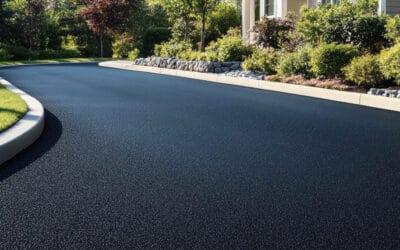
Asphalt Paving Toronto: Complete Guide for Homeowners
Toronto asphalt paving projects are typically completed within 3-5 days from start to finish, though this timeline can be extended by weather conditions. Several distinct phases are involved in the process: initial site assessment, excavation, base preparation, asphalt application, and final grading. As it turns out, the preparation work is underestimated by most homeowners, which actually accounts for roughly 60% of the total project time. Weather windows are carefully monitored since specific temperature conditions are needed for asphalt to cure properly. The transformation from old, cracked pavement to smooth new asphalt is usually completed faster than homeowners expect; however, more planning than meets the eye is required for the behind-the-scenes coordination.
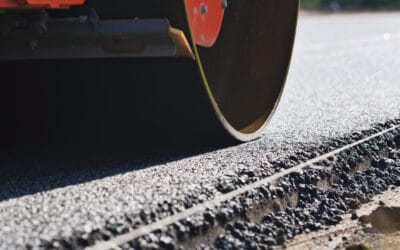
Why Asphalt Thickness Matters for GTA Driveway Durability
Thickness determines whether a driveway lasts 15 years or cracks within three. In the Greater Toronto Area, 2-3 inches of asphalt are recommended by most contractors for residential driveways; however, actual requirements get influenced by soil conditions and expected traffic loads. As it turns out, equal quality is assumed by many homeowners across all asphalt installations. Proper thickness is determined by factors like base preparation, drainage patterns, and local climate conditions, though. How much the GTA’s freeze-thaw cycles can affect thin asphalt layers over time surprises people.
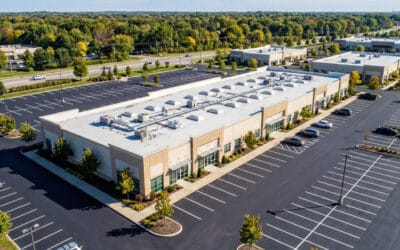
What most people get wrong about paving companies
Avoid costly paving mistakes! Discover the truth behind five common asphalt myths, from proper base preparation to curing times, and learn what it really takes to build a durable surface for your property.

How Long Does an Asphalt Driveway Last in Ontario?
In Ontario, asphalt driveways are typically expected to last 15 to 25 years when proper maintenance is applied, though harsh winters can shorten this timeline. Installation quality, drainage, and regular upkeep like sealcoating every 2-3 years are what the lifespan depends on heavily. As it turns out, many homeowners in the Greater Toronto Area see their driveways deteriorate faster than expected; freeze-thaw cycles and heavy snowplow damage are often to blame. Proper slope and thickness are often overlooked during installation, yet whether your driveway survives two decades or needs replacement in ten years is determined by these factors. Quality workmanship upfront usually pays off as an investment, though exact longevity remains somewhat unpredictable when it comes to forecasting.
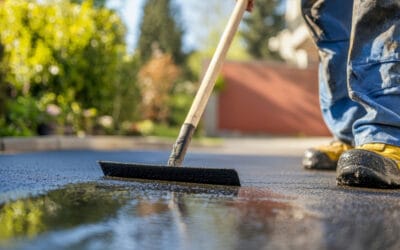
How Long Before You Can Drive on New Asphalt Driveway GTA
Time is needed for fresh asphalt to cure before vehicle weight can be handled safely. Several factors that many homeowners in the Greater Toronto Area don’t consider upfront determine the waiting period. A bigger role than most people realize is played by temperature; curing time can be extended significantly by hot summer days in Mississauga or Vaughan. The timeline is also influenced by asphalt thickness, ambient humidity, and even the type of vehicles you plan to park. As it turns out, permanent tire marks, surface indentations, or premature cracking often result from rushing this process. A minimum waiting period is recommended by most contractors, but how well the surface has hardened determines the actual safe driving time. People are still caught off guard by that balance between impatience and proper curing.
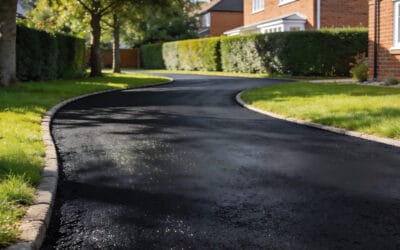
How Long Does Asphalt Take to Cure in Toronto Weather?
Fresh asphalt needs time to reach its full strength; Toronto’s climate plays a bigger role than most homeowners realize. Temperature swings, humidity levels, and seasonal changes all affect how quickly your new driveway or parking lot hardens properly. As it turns out, what looks “ready” after a few hours is actually just the beginning of a much longer process. The asphalt is gradually bonded and strengthened over weeks and months, not days. Most contractors in the GTA work around these natural timelines, but the full story involves more variables than you might expect.
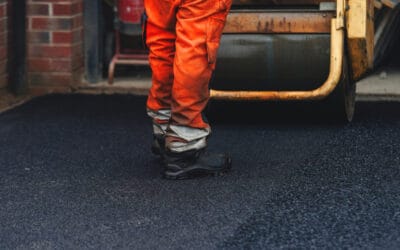
Why Thickness and Base Prep Matter Most in Paving Jobs
Most paving failures are caused by thickness issues within the first two years. As it turns out, what makes a driveway last is often just 20% visible asphalt layer. Underneath is where the real work gets done; proper base preparation and adequate thickness are created as the foundation for decades of reliable performance. Surface appearance is focused on by many homeowners, but whether your investment holds up through Toronto’s harsh freeze-thaw cycles is determined by the unseen elements. Experience really shows in that foundation work.
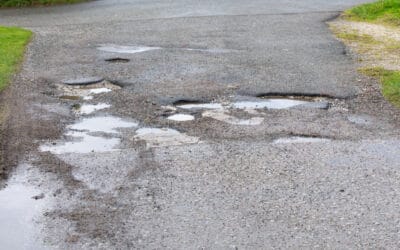
Fix Potholes Before They Become Expensive Safety Hazards
Small cracks in asphalt surfaces are often ignored until major problems develop. As it turns out, what begins as a hairline crack can quickly be transformed into a pothole that costs thousands to repair properly. Winter freeze-thaw cycles are particularly harsh on Toronto area driveways and parking lots; water seeps into tiny openings and expands when temperatures drop. Early intervention can prevent most surface damage, but timing matters more than most property owners realize. The difference between a $50 crack seal and a $5,000 reconstruction project usually comes down to catching issues in their first season.
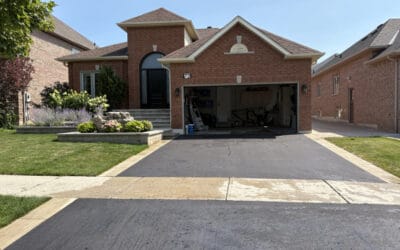
How Maintenance and Sealcoating Add Years to Your Asphalt Life
Fresh asphalt looks great, but wear is shown within just a few seasons without proper care. As it turns out, the lifespan of your driveway or parking lot can be doubled or even tripled through regular maintenance and sealcoating. Property owners across the Greater Toronto Area often overlook the protective barrier created by sealcoating; yet it’s one of the most cost-effective investments you can make. From what we’ve seen in Mississauga and Vaughan, 15-20 years are typically gotten from their asphalt by homeowners who follow a maintenance schedule, while replacement might be needed in just 8-10 years by those who skip it. Understanding when and how to protect what you’ve already built really comes down to the difference, I suppose.
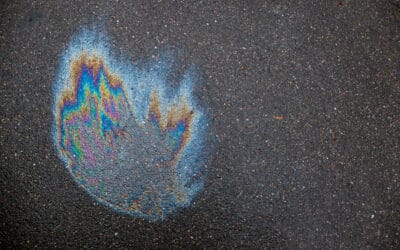
A Guide to Asphalt Stain Removal
An asphalt driveway or commercial parking lot is a significant investment that enhances property value and curb appeal. However, keeping it pristine can be a challenge. Vehicles leak, maintenance tasks like an oil change can go awry, and everyday life leaves its mark....