
Every 2-3 years in Ontario, sealcoating should typically be applied, usually between late spring and early fall when temperatures stay above 10°C for 48 hours. Asphalt is helped by the protective coating to withstand freeze-thaw cycles, road salt damage, and UV exposure that’s common across the GTA; maximum adhesion and longevity are ensured by proper timing.
Fast Facts:
- 80-120 freeze-thaw cycles are faced by Ontario driveways annually
- Asphalt life can be extended by sealcoating by 3-5 years when applied correctly
- From May through September, the best application window runs
- Roughly $0.15-$0.25 per square foot is what residential driveways cost
- 24-48 hours are required for curing time depending on humidity levels
Why Ontario Weather Demands Regular Sealcoating
Through serious stress cycles, asphalt is put by Ontario’s climate that homeowners in milder regions never face. Road salt, ice, and temperature swings are brought by winter that can crack even well-installed driveways. Through tiny surface cracks, water infiltration is introduced by spring. The asphalt binders that hold everything together are then dried out by summer’s UV rays. Against all these elements, a barrier is created by sealcoating; the difference between protection and wasted money is made by timing the application correctly, I suppose.
Understanding the 2-3 Year Rule
Every 2-3 years, sealcoating is recommended by most paving contractors, though in stone, this schedule isn’t set. Due to UV exposure, attention sooner might be needed by a Mississauga homeowner with a south-facing driveway. Meanwhile, the timeline could be stretched slightly by a Vaughan property with good tree cover. Traffic patterns matter too. Differently than those handling multiple vehicles daily, single-car driveways age. Rather than following rigid schedules, the key is watching for surface wear.
Timing Your Sealcoating Project
When sealcoating becomes possible across the Greater Toronto Area is controlled by temperature and weather conditions. For proper adhesion, at least 10°C temperatures are needed by the material, with no rain expected for 24-48 hours afterward. The best windows are typically provided by May through September, though with careful planning, early spring and late fall applications can work. Significantly, curing time is affected by humidity; the process is sped up by dry conditions while it’s slowed down by muggy weather.
Signs Your Driveway Needs Attention
Aging asphalt that’s ready for protection is indicated by surface color changes from deep black to gray. That it’s time for sealcoating is also signaled by small cracks, oil stains, and rough texture. But first, repair work is required by major damage. Rather than a cure for structural problems, sealcoating should be thought of as preventive maintenance. Before any protective coating gets applied, patching is needed by a Toronto homeowner dealing with large potholes. Interesting how that works.
The Application Process Explained
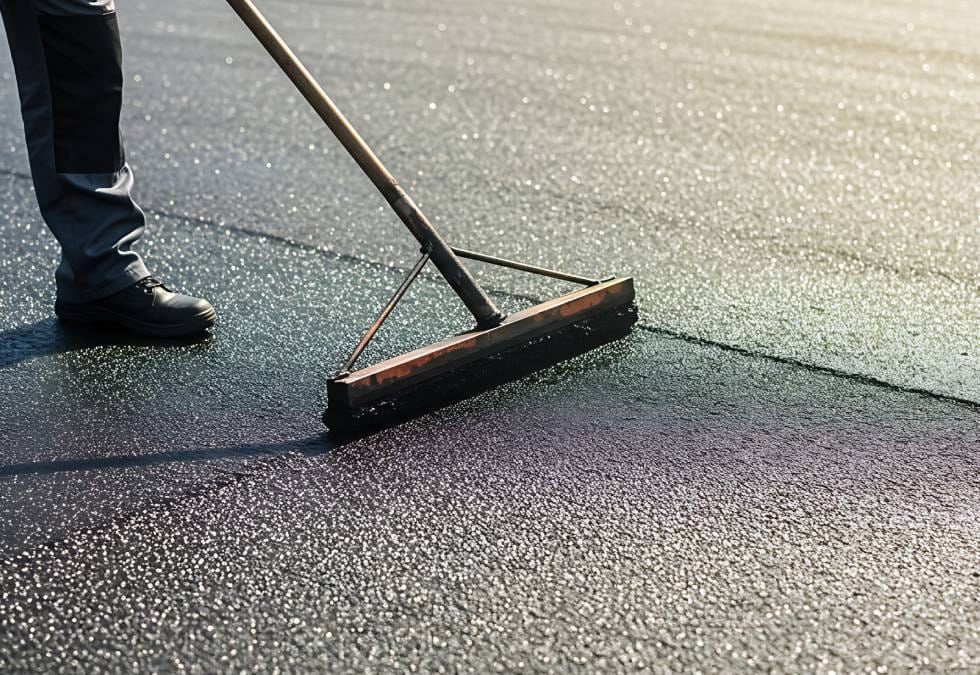
With thorough cleaning and crack filling where needed, proper sealcoating starts. Before application begins, the surface must be completely dry. To ensure even coverage across the entire driveway, squeegees or spray equipment are typically used by professional crews. Better than one thick application, two thin coats often work, though on the specific product being used, this depends. To prevent pooling or thin spots, extra attention is required by edges and transitions.
Cost Considerations for GTA Homeowners
Across Brampton, Mississauga, and surrounding areas, $0.15-$0.25 per square foot is typically run by residential sealcoating. Depending on size and condition, $200-$400 might be cost by a standard two-car driveway. By extending asphalt life and preventing more expensive repairs down the road, this investment usually pays for itself. That include surface evaluation and timing recommendations, free estimates are offered by many contractors. To understand their specific situation better and make informed decisions about their driveway maintenance needs, getting multiple quotes helps homeowners. In a way, it’s the smart approach.
Mini-FAQ:
Q: How often should I sealcoat my driveway in Ontario? For most residential driveways in the GTA, every 2-3 years works. Attention might be needed sooner by high-traffic areas. This timeline is also affected by weather exposure and drainage quality.
Q: What’s the best time of year for sealcoating? The ideal window is given to you by late spring through early fall. Above 10°C for at least 48 hours after application, temperatures need to stay. Rainy periods should be avoided completely.
Q: When can I drive on a freshly sealed driveway? Before light foot traffic, 24-48 hours should be waited, and 72 hours before cars are parked on it. Curing time is affected significantly by humidity levels.
Q: Does sealcoating work on cracked asphalt? During the process, minor cracks get filled, but repair is needed first by major damage. As protection, not reconstruction, sealcoating should be thought of. Bigger issues should be addressed beforehand.