
Blog

Sealcoating Asphalt Driveways in Ontario: When & Why It’s Needed
Unique challenges are created by Ontario’s harsh winters for asphalt driveways that many homeowners don’t fully grasp until damage appears. A protective barrier is served by sealcoating against freeze-thaw cycles, road salt, and UV exposure that are particularly intense across the Greater Toronto Area. As it turns out, the timing of when this protection gets applied matters just as much as whether you do it at all. Every 2-3 years, most driveways are sealed, though traffic patterns and weather exposure adjust this schedule. More preparation than people expect is involved in the process itself; proper drainage and surface conditions are considered beforehand.

How to Maintain Your Asphalt Driveway for Maximum Lifespan in GTA
Unique challenges are faced by asphalt driveways in the Greater Toronto Area from freeze-thaw cycles, road salt, and heavy traffic loads. As it turns out, basic maintenance steps that could double a driveway’s lifespan are skipped by most homeowners. Regular cleaning, crack sealing, and proper drainage are often overlooked until major repairs become necessary. Expansion and contraction created by Ontario’s harsh winters and hot summers can be managed with the right approach. From what we’ve seen across Mississauga, Brampton, and Vaughan, driveways are typically replaced every 15-20 years; they could last 25-30 with consistent care.

How Weather Affects Asphalt Installation in Ontario
A narrow window for quality asphalt installation is created by Ontario’s weather patterns, typically running from late April through early October. How asphalt bonds and cures gets affected by temperature swings, humidity levels, and precipitation. As it turns out, air temperatures above 10°C and dry pavement surfaces for at least 24 hours before installation are required for ideal conditions. Rushing a paving project during marginal weather conditions often leads to premature cracking, poor compaction, and shortened lifespan; this gets discovered by many homeowners in the Greater Toronto Area. Between 135°C and 160°C, the material itself needs to be heated during application, but how well it sets is determined by ambient conditions.
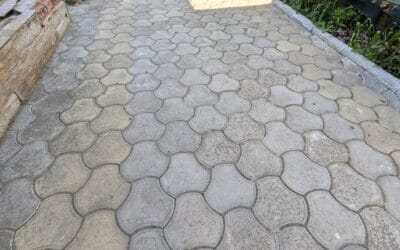
Asphalt vs Interlock Driveways
Asphalt and interlock are the two most popular driveway options in the GTA. Compare upfront cost, freeze-thaw durability, maintenance, installation time and design flexibility to decide which one fits your home and budget.
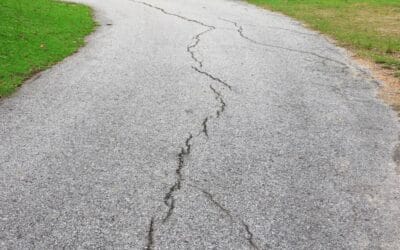
Why Is My Asphalt Fading or Turning Grey?
That dull grey colour on your driveway is more than cosmetic. It’s a sign of UV oxidation that can lead to brittleness, cracking and potholes. Learn what causes asphalt fading and how sealcoating, repairs or repaving can restore your pavement.

Driveway Design Tips: How to Enhance the Curb Appeal of Your Property
Your driveway is the first thing guests and buyers notice. From smooth asphalt and stone borders to flared entrances and proper drainage, these five design tips can transform your front entrance.
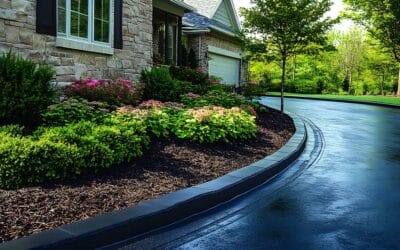
Is Sealcoating Actually Worth It For A Residential Driveway?
Sealcoating works like sunblock and a raincoat for your asphalt, and it can extend your driveway’s lifespan by years. Here’s an honest look at when it’s worth the investment and when your driveway needs more than a protective coat.
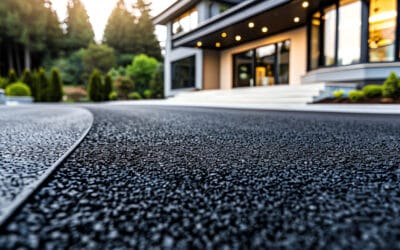
Asphalt Paving Vaughan: Grading & Drainage Prevent Damage
The foundation of any successful asphalt paving project in Vaughan is formed by proper grading and drainage. As it turns out, water issues that were preventable during the initial installation can be traced back to most pavement failures. Your driveway or parking lot’s slope is carefully calculated to direct water away from the surface and your property’s foundation. Water pools beneath the asphalt without adequate drainage; this causes cracks, potholes, and premature deterioration. From what we’ve seen across the Greater Toronto Area, major repairs are typically avoided for decades by homeowners who invest in proper grading during their paving project. Whether your asphalt lasts 15 years or needs replacement in just five is often determined by the upfront attention to water management.
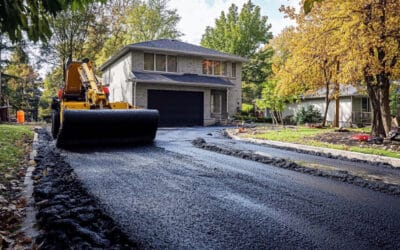
What Makes High-Quality Asphalt Mix for Residential Driveways
Asphalt mix quality is determined by the right balance of aggregates, binder content, and air void percentages. As it turns out, what’s called a “surface course mix” is used for most residential driveways in the Greater Toronto Area; this typically contains 5-7% asphalt cement by weight. Aggregate gradation is carefully controlled to ensure proper compaction and long-term durability. Temperature gets monitored closely during mixing and placement, since hot mix asphalt performs best when laid between 275-300°F. What many homeowners don’t realize is that stone dust and fine particles actually play a bigger role than larger stones in determining how well their driveway will hold up over time.
How Base Prep Affects Asphalt Lifespan in the GTA
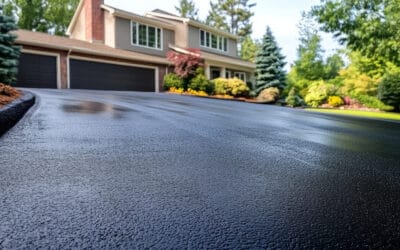
Whether your asphalt driveway lasts 10 years or 25 years is determined by base preparation. Foundation work gets rushed or skipped entirely quite often, which explains why cracks appear in some Mississauga and Vaughan driveways within two seasons. As it turns out, the asphalt layer itself is only as strong as what sits beneath it. Proper excavation, grading, and compaction are typically handled by experienced contractors who understand local soil conditions. That foundation work gets covered up; homeowners rarely see the difference between good and poor preparation.