
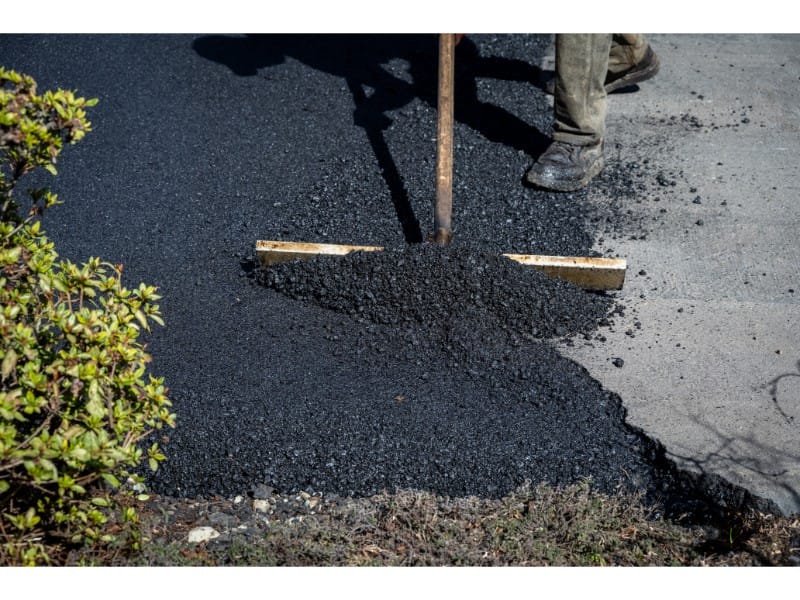
As a homeowner, maintaining your asphalt driveway is crucial for both aesthetics and functionality. Over time, environmental factors and regular wear and tear can take a toll on your driveway’s surface. This leads many homeowners to wonder: How often should you resurface your asphalt driveway? Let’s explore the factors that influence resurfacing timelines and provide insights into how you can keep your driveway in top condition.
Signs You Need to Resurface
Before deciding on a resurfacing schedule, it’s essential to recognize the signs that indicate your driveway needs attention:
- Cracking: Small cracks can develop into larger ones if not addressed promptly. If you notice cracks wider than a quarter inch, it may be time for resurfacing.
- Potholes: These are a clear sign of significant wear. Potholes can be hazardous and should be repaired immediately to prevent further damage.
- Surface Ravelling: If you see loose gravel or a rough surface, this indicates that the asphalt is breaking down and needs resurfacing.
- Discoloration: A faded surface can indicate that the protective oils in the asphalt have worn away, leaving the underlying material exposed. This can lead to further deterioration.
- Pooling Water: If water is not draining properly and is pooling on your driveway, it can lead to further damage and may necessitate resurfacing of the area.
Recommended Resurfacing Schedule
The general recommendation for resurfacing an asphalt driveway is every 15 to 20 years. However, this can vary based on the factors mentioned earlier. Here’s a breakdown:
- New Driveways: If you’ve recently installed a driveway, it’s advisable to wait at least 3-5 years before considering resurfacing. New asphalt needs time to cure properly.
- Moderate Use: For driveways that see regular vehicle traffic but are well-maintained, resurfacing every 10-15 years is usually sufficient.
- Heavy Use: If your driveway experiences heavy traffic from larger vehicles or frequent use, you may need to resurface every 5-10 years.
- Climate Considerations: In areas with extreme weather conditions, such as severe winters or intense heat, more frequent resurfacing may be necessary.
Maintenance Tips
To prolong the life of your asphalt driveway and reduce the frequency of resurfacing, consider the following maintenance tips:
- Seal Coating: Applying a seal coat every 2-3 years helps protect the asphalt from UV rays and water damage.
- Regular Cleaning: Keep your driveway free of debris, oil spills, and chemicals that can deteriorate the surface.
- Prompt Repairs: Address cracks and potholes as soon as they appear to prevent further damage.
- Proper Drainage: Ensure that your driveway has proper drainage to avoid water pooling and subsequent damage.
The frequency of resurfacing your asphalt driveway depends on various factors, including its age, usage, and environmental conditions. By monitoring signs of wear and performing regular maintenance, you can prolong the life of your driveway and improve its appearance. For expert assistance, consider hiring a professional paving service. At Woodbine Paving, we specialize in residential & commercial asphalt paving services that ensure a durable and visually appealing surface. Contact us today to learn more about how we can help maintain your driveway!