
In the GTA, asphalt paving is usually priced at $3-$7 per square foot for residential driveways; commercial projects often run $2-$5 per square foot due to larger scale. Properly installed asphalt typically lasts 15-25 years, however, factors like drainage, base preparation, and regular maintenance can extend or reduce this timeframe significantly.
Fast Facts:
- A standard residential driveway (600 sq ft) is typically priced at roughly $1,800-$4,200 in the GTA
- Commercial asphalt surfaces can handle 20+ years with proper maintenance
- Total project longevity is determined by base preparation, which accounts for 40-60% of performance
- Winter freeze-thaw cycles in Toronto reduce lifespan by 2-4 years compared to warmer climates
- Surface life can be extended by 30-50% when sealcoating is applied every 3-5 years
Understanding GTA Asphalt Pricing Structure
Several key variables are reflected in residential asphalt paving costs throughout the Greater Toronto Area; these factors are often overlooked by homeowners during initial planning. Base material requirements change significantly between Vaughan’s clay soils and Brampton’s sandier conditions. Plus, pricing is affected by accessibility more than most people expect.
A typical 600-square-foot driveway runs between $1,800 and $4,200, depending on these factors. But here’s what gets interesting: the best value isn’t always represented by the lowest bid. Projects have been seen where proper base preparation was skipped to hit a price point, only to require complete replacement within five years.
Commercial vs Residential Cost Differences
Better per-square-foot pricing is typically achieved by commercial paving projects due to scale advantages. Large parking lots in Mississauga or Toronto often run $2-$5 per square foot, compared to $3-$7 for residential work. The economics shift when thousands of square feet are being covered instead of hundreds.
However, thicker asphalt layers and more robust base preparation are usually required by commercial specifications. These projects are designed to handle heavier loads and more frequent traffic. Property managers often find the upfront investment pays off; reduced maintenance costs are experienced over time.
Climate Impact on Asphalt Longevity
Unique challenges for asphalt surfaces are created by Toronto’s freeze-thaw cycles that don’t exist in warmer climates. Water penetration during fall rains, followed by winter freezing, can crack even well-installed surfaces. This cycle repeats roughly 40-60 times each winter across the GTA.
Properly installed residential asphalt typically lasts 15-20 years in our region. Commercial surfaces often perform better, I suppose, reaching 20-25 years with appropriate maintenance. The key difference lies in base thickness and drainage design. After working on over 6,000 projects, drainage issues have been noticed to cause more premature failures than any other factor.
Base Preparation: The Hidden Cost Factor
The visible asphalt layer is focused on by most homeowners, but long-term performance is determined by base preparation. Poor soil conditions in areas like Oakville sometimes require additional excavation and granular material. This work isn’t glamorous; it’s essential though.
A proper base typically includes 6-8 inches of compacted granular material, though more is required by some conditions. Shortcuts here almost always lead to problems later. Driveways have been seen that looked perfect initially but developed significant settling issues within two years; inadequate base work was the cause.
Maintenance Strategies That Actually Work
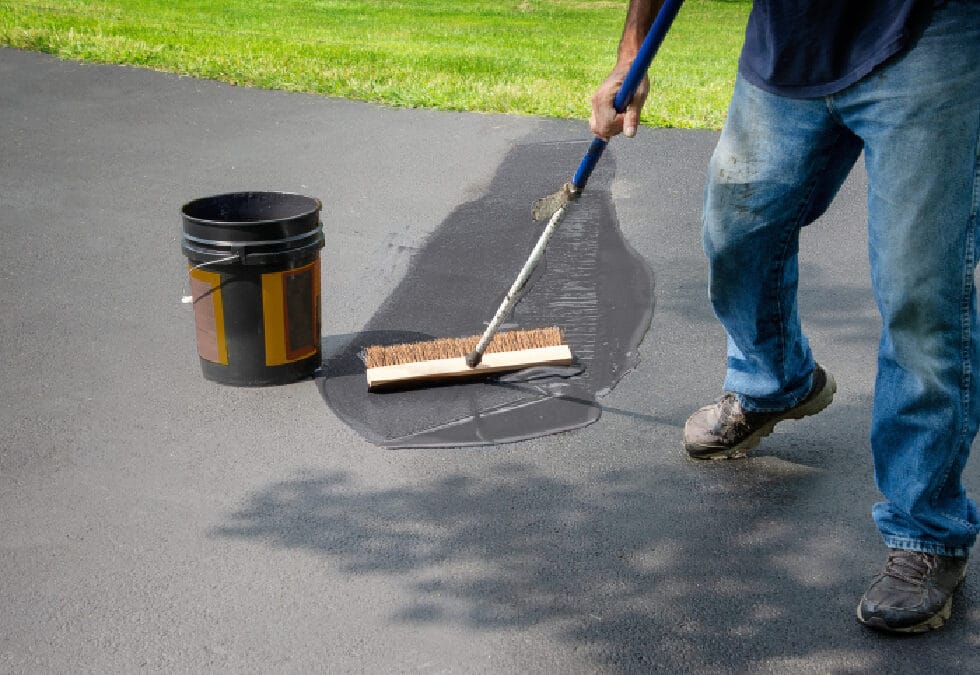
The most cost-effective maintenance approach for GTA homeowners is represented by sealcoating every 3-5 years. This process costs roughly $0.50-$1.00 per square foot but surface life can be extended by 30-50%. The timing matters though; problems can actually be caused by applying sealcoat too frequently.
Crack filling should happen as soon as issues appear, especially before winter. Small cracks that seem harmless in summer can become major problems after freeze-thaw cycles. Regular cleaning also helps, since moisture can be trapped by organic debris and deterioration accelerated. Hard to explain sometimes.
Getting Accurate Estimates in the GTA
Detailed base preparation recommendations and material specifications should be included in free estimates. Written quotes that break down labor, materials, and any additional work required are typically provided by reputable contractors. This transparency helps homeowners compare proposals effectively.
When evaluating quotes, attention should be paid to base preparation details and warranty terms. Ten-year warranties are typically offered by companies that stand behind their workmanship because proper installation techniques are understood by them. For reliable estimates and proven results across Vaughan, Mississauga, and surrounding areas, visit our website to learn more about our approach.
Mini-FAQ
Q: What makes asphalt paving costs vary so much across the GTA?
Look, it comes down to three main factors. Base preparation requirements are changed dramatically by property conditions, especially in areas like Mississauga where soil conditions vary. Material transportation costs also shift depending on your distance from asphalt plants. Plus, project complexity matters more than most people realize.
Q: How long should I expect my new driveway to last?
A well-installed residential driveway typically serves homeowners for 15-20 years in our climate. Commercial surfaces often last longer; thicker base construction is used in these projects. Weather patterns were particularly harsh last winter, which reminded many property owners about the importance of proper drainage.
Q: Does the contractor choice really affect longevity?
This question is brought up in almost every estimate we provide. Experienced contractors focus heavily on base preparation and proper slope installation, which directly impacts how long your surface performs. These crucial steps are often skipped by cheaper installations. That still surprises people.
Q: What maintenance helps extend asphalt lifespan?
Regular sealcoating every 3-5 years makes a significant difference. Water infiltration during freeze-thaw cycles is prevented by crack filling. Snow removal practices also matter, since the surface can be damaged by metal plows. Simple stuff, really.