
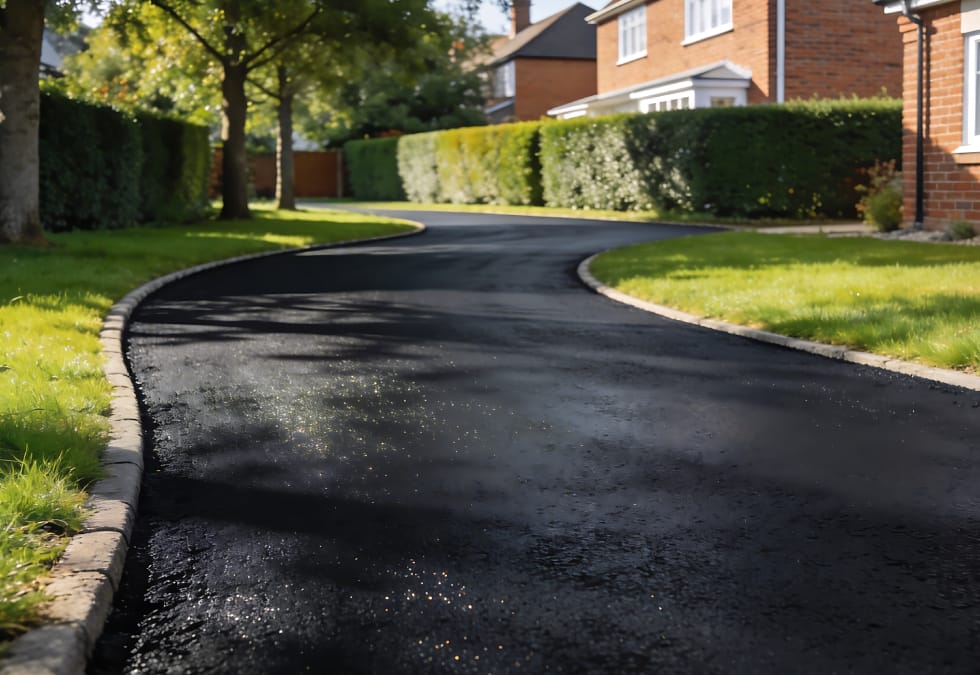
Asphalt typically takes 6-12 months to be fully cured in Toronto weather conditions, though it’s usually safe for light traffic after 24-48 hours. Temperature, humidity, and seasonal timing all affect the process; summer installations are cured faster than fall or spring projects due to consistent heat exposure.
Understanding the Curing Timeline
Unique challenges for asphalt curing are created by Toronto’s weather that don’t exist in more stable climates. The process happens in stages, starting with initial cooling and hardening within hours of installation; full molecular bonding takes much longer though. Temperature fluctuations between day and night can slow things down considerably. Most paving companies in Mississauga and Vaughan plan their schedules around these realities. Spring and fall installations behave differently than summer work, which is something they know well.
Temperature Makes All the Difference
The chemical reactions that strengthen asphalt over time are accelerated by heat. Summer installations in Brampton typically cure 40-50% faster than projects completed in cooler months. Consistent warmth is needed by the asphalt to reach its designed strength. Cold snaps can pause the process entirely; this explains why many contractors prefer working between May and September. A driveway paved in July will usually be road-ready much sooner than one installed in October.
The First 48 Hours Matter Most
Initial hardening happens quickly once the material cools below 60°C. Most residential driveways in Toronto can handle foot traffic within 4-6 hours and light vehicles by the next day. More time is needed by commercial parking lots due to thickness differences. The surface feels solid, but deeper layers are still settling and bonding. Permanent indentations that won’t disappear later are prevented by avoiding heavy loads during this period.
Seasonal Installation Considerations
Unique challenges from temperature swings and higher humidity levels are faced by spring installations. Fall projects get a head start before winter, but may not fully cure until the following summer. Winter work is generally avoided in the GTA, though emergency repairs sometimes happen. Different moisture levels, UV exposure, and thermal cycling that affects the final timeline are brought by each season. Smart contractors adjust their recommendations based on when your project gets completed.
What Homeowners Should Expect
Most residential customers in Vaughan and Oakville notice their new asphalt getting harder and more durable over the first month. Its final texture and color are developed by the surface during this period. Small surface marks from bicycles or lawn chairs usually disappear as the material continues curing; heavy furniture or vehicles can still leave permanent impressions for several weeks after installation. Patience during this phase protects your investment long-term.
Commercial vs Residential Differences
Thicker applications that take longer to cure completely are typically used by commercial asphalt paving projects. Extra time is needed by parking lots and loading areas before heavy truck traffic resumes. The deeper layers cure more slowly than residential driveways due to reduced heat penetration. Most property managers in the Greater Toronto Area plan maintenance schedules around these extended timelines. Professional contractors provide specific guidance based on expected traffic loads and usage patterns.
Getting Professional Guidance
Every project has unique factors that affect curing times, from soil conditions to drainage details. Experienced paving contractors understand how Toronto’s climate impacts different installation methods. They can provide realistic timelines based on your specific situation and seasonal timing. Weather delays, material thickness, and site preparation all influence the final schedule. For reliable estimates and guaranteed workmanship on your next paving project, visit Woodbine Paving to learn more about our approach to quality installations throughout the GTA.
We provide paving services across Ontario such as: Brampton, Toronto, Mississauga, and Vaughan
Mini-FAQ:
Q: Can I drive on new asphalt right away? Light vehicles are usually fine after 24-48 hours, depending on thickness and weather. Heavy trucks or equipment should wait at least a week. That still surprises people.
Q: What happens if it rains during curing? Light rain after the first day won’t hurt anything. The surface has been sealed enough to handle moisture. Heavy downpours during the first few hours can cause problems though.
Q: Does cold weather stop the curing process? Temperatures below 10°C slow curing dramatically, but don’t stop it completely. The process just gets stretched out over more months instead of weeks.
Q: How can I tell when my asphalt is fully cured? You probably can’t tell just by looking. The surface feels solid long before the deeper layers finish hardening. Most contractors use time-based guidelines rather than visual cues.