
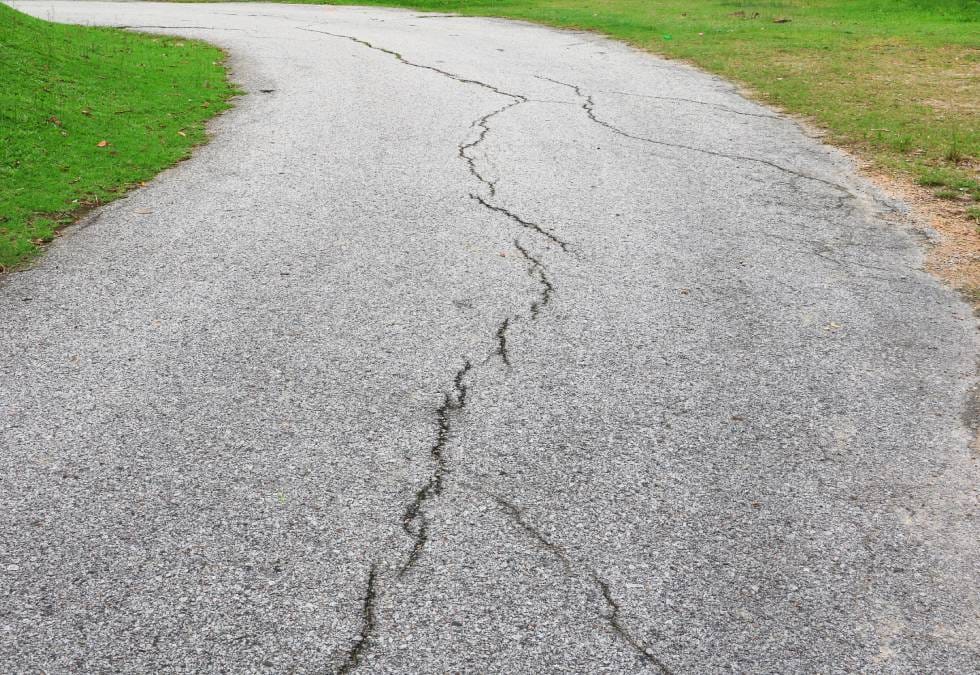
When your asphalt driveway or parking lot was first installed, it boasted a rich, deep black finish that instantly boosted your property’s curb appeal. Over time, however, you may have noticed that dark surface slowly shifting to a dull, weathered grey.
If you are wondering why your pavement is losing its colour, you are not alone. Fading is one of the most common signs of pavement aging, but understanding why it happens—and how to fix it—can save you thousands of dollars in premature replacement costs.
At Woodbine Paving (woodbinepaving.com), we specialize in high-quality asphalt paving solutions designed to keep your surfaces durable, safe, and visually striking. Here’s what causes asphalt oxidation and what you can do to restore your driveway.
The Primary Cause: UV Oxidation and Weathering
Asphalt pavement is composed of two primary elements: stone aggregate and liquid asphalt cement, which acts as the binding glue holding everything together. When asphalt is fresh, liquid bitumen coats every particle of stone, giving it that characteristic bold black appearance.
However, as soon as your pavement is exposed to the elements, a natural process called oxidation begins:
- Sunlight Exposure: Ultraviolet (UV) rays from the sun break down the chemical bonds in the liquid asphalt binder. As the binder degrades, it loses its flexibility and dark pigment.
- Water and Freeze-Thaw Cycles: As the binder weakens, rain and melting snow penetrate the surface. In colder climates, water freezes inside microscopic pores, expanding and breaking down the surface structure even further.
- Traffic Wear: Everyday vehicular traffic chips away at the top layer of oxidized bitumen, exposing the underlying bare stone aggregate—which is naturally grey.
Is Fading Just a Cosmetic Issue?
While a grey driveway certainly detracts from your home’s appearance, the fading process is more than just a surface-level problem. Grey asphalt is a warning sign that your pavement is losing its essential oils and waterproofing capabilities.
Left unaddressed, oxidized asphalt leads to:
- Brittleness: Without flexible oils, the pavement can no longer expand and contract with temperature changes.
- Surface Ravelling: Loose gravel begins to detach from the surface as the binder breaks down.
- Cracking and Potholes: Water slips into the unsealed surface, eroding the base layer and creating structural cracks and costly potholes.
How to Restore and Protect Your Asphalt
The good news is that fading does not automatically mean you need a full replacement. Depending on the age and structural condition of your surface, here is how you can protect your investment:
1. Professional Sealcoating
If your pavement is structurally sound but turning grey, professional sealcoating is the most effective solution. A quality sealer acts as a sunblock for your driveway, locking in essential moisture and locking out harmful UV rays and water. It instantly restores that deep, rich black finish while extending your pavement’s lifespan by years.
2. Timely Repair and Maintenance
Filling surface cracks early prevents water from penetrating the sub-base, stopping further degradation before it spreads across the entire surface.
3. Professional Driveway Paving
If oxidation has progressed to severe cracking, widespread potholes, or sub-base failure, sealcoating may no longer be enough. In these cases, professional repaving or an asphalt overlay is the best way to restore your property’s safety and structural integrity.
Trust Woodbine Paving for Your Asphalt Needs
Whether you need routine sealcoating, crack repair, or full driveway paving, the experienced team at Woodbine Paving is here to help. We deliver top-tier workmanship and durable paving materials tailored to withstand harsh weather conditions.
Don’t let oxidized pavement ruin your property’s appearance and value. Visit woodbinepaving.com today to request a free consultation and estimate!