
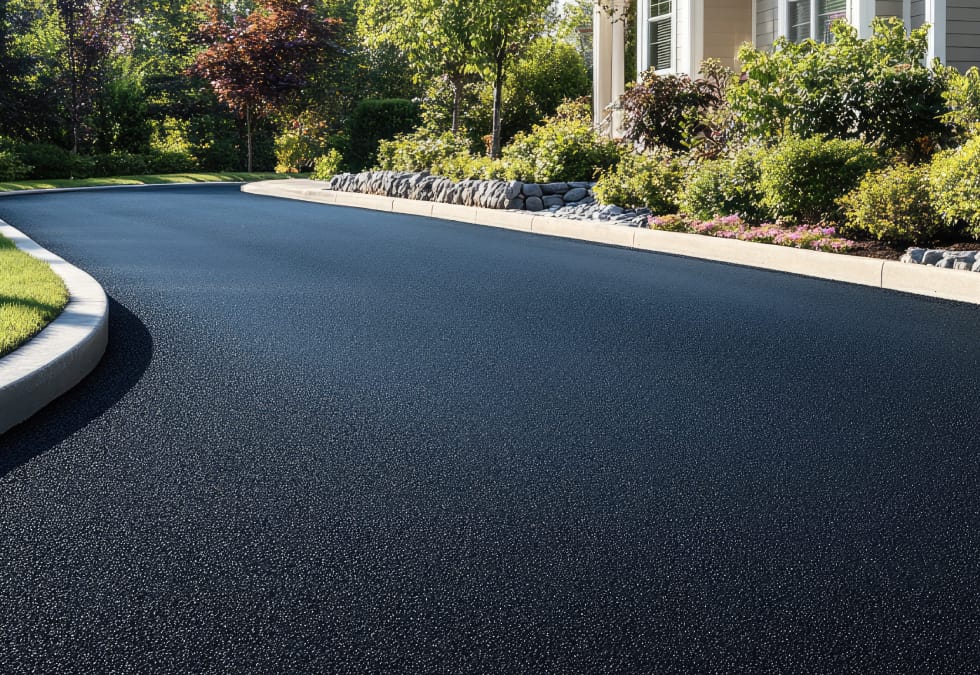
A typical residential driveway in Toronto is usually paved within 2-4 days, depending on size and weather conditions. Excavation, base preparation, asphalt laying, and compaction are included in the process; optimal temperature windows are scheduled around by most contractors. A free estimate helps homeowners understand their specific timeline and requirements.
Understanding the Initial Consultation Process
A detailed site assessment at your Toronto-area property is where the paving process starts. Existing conditions, drainage patterns, and access points are examined by contractors. The area is measured and underground utilities or potential complications are checked. How thorough this initial review becomes surprises most homeowners in Mississauga and Vaughan. The estimate is typically provided within 24-48 hours; free consultations are offered by reputable companies. Weather timing gets discussed early since, I suppose, specific windows for quality work are created by Toronto’s climate.
Site Preparation and Excavation Phase
Once contracts are signed and weather conditions align properly, excavation begins. Specialized equipment is used to remove the old surface, and the area is graded to proper slope specifications. Drainage considerations are built into every project since future problems are prevented by water management. In many cases, how much material gets hauled away during this phase isn’t realized by homeowners. Excavation is followed by base preparation and involves installing crushed stone or gravel in carefully measured lifts. A stable platform is created when this foundation work is compacted thoroughly.
Base Installation and Grading
Precision is required by base material installation since the entire driveway structure is supported by this layer. Crushed limestone or recycled concrete gets spread evenly and compacted in stages. Water is directed away from foundations and structures when proper slope and drainage are established during this phase. From what we’ve seen across the Greater Toronto Area, most long-term problems are caused by rushed base work. 4-6 inches of compacted material are typically needed by the base for residential applications. Weather delays often happen here since proper compaction is prevented by wet conditions.
Asphalt Application and Hot Mix Delivery
Hot asphalt arrives in specialized trucks and specific temperature ranges must be maintained while it’s applied. Pavers are used to spread the material and it’s immediately rolled for proper density and smoothness. Temperature monitoring happens continuously since working conditions are affected by Toronto’s variable weather. A single lift of asphalt is used by most residential driveways, typically 2-3 inches thick after compaction. The crew works efficiently since cooling asphalt becomes difficult to work with. Delivery timing is coordinated precisely by quality contractors to avoid temperature-related issues.
Compaction and Surface Finishing
Heavy rollers in specific patterns are used when compaction begins immediately after asphalt placement. Proper density is achieved and air voids are eliminated when the surface is rolled multiple times. Edge work and hand finishing happen around obstacles and tight areas where equipment can’t reach. Premature cracking is prevented and pavement life is extended significantly by proper compaction. The dramatic transformation is noticed by most homeowners during this final phase. The surface changes from rough hot mix to smooth, uniform pavement within hours.
Final Cleanup and Project Completion
Excess materials are removed, debris is swept, and landscaping areas that were disturbed during construction are restored during cleanup. Tools and equipment are removed, and the site is left clean and ready for use. Quality standards are met and any touch-up work is completed when final inspection is ensured. Care instructions and warranty information are typically provided by contractors at this stage. The project timeline from start to finish usually spans 2-4 days for typical residential work, though longer time may be taken by larger or complex projects. To be fair, realistic expectations for your specific situation are helped to be established by getting your free estimate, and additional resources for Toronto-area homeowners planning paving projects are provided by Woodbine Paving Toronto Paving Company.
Mini-FAQ:
Q: How long before I can drive on new asphalt? At least 24-48 hours should be waited before driving on fresh asphalt. Time is needed by the surface to cool and harden completely. Heavy vehicles should be avoided for the first week.
Q: What happens if it rains during paving? Asphalt work is stopped immediately by rain since proper bonding is prevented by moisture. Projects are rescheduled for dry conditions. Weather forecasts are monitored closely by most contractors and schedules are adjusted accordingly.
Q: How much excavation is typically needed? Excavation depth varies but usually ranges 6-12 inches for residential driveways. Existing pavement is removed first. Adequate base material can be installed for long-term stability when proper depth is ensured.
Q: Do I need permits for driveway paving in Toronto? Permits aren’t required by most residential driveway repaving if you’re staying within existing boundaries. City approval might be needed by new driveways or expansions depending on your specific location and drainage requirements.