
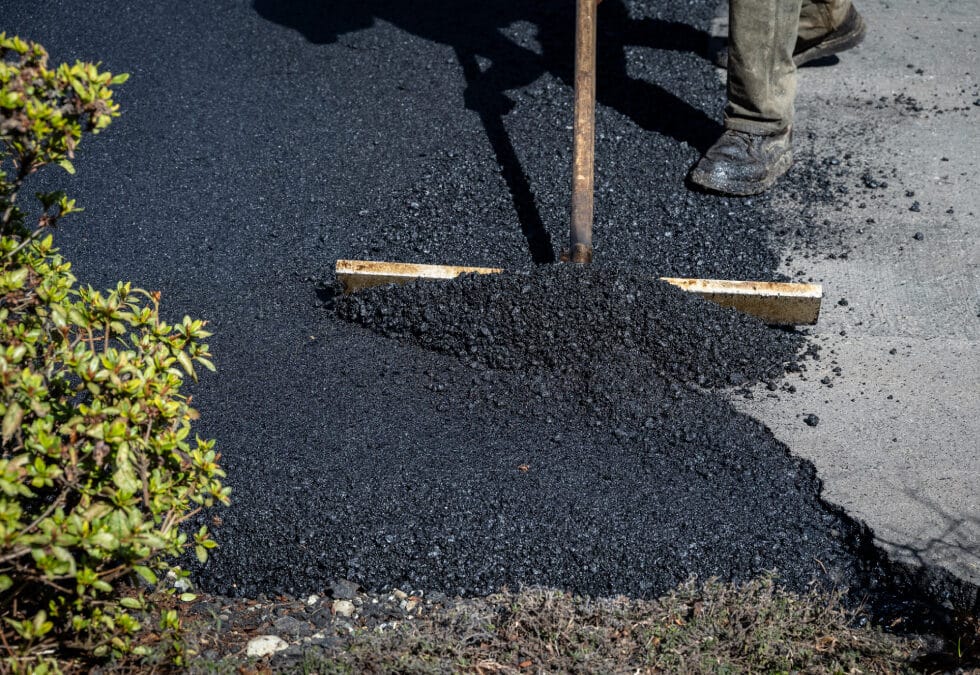
Property preparation for professional driveway paving usually involves clearing the area, marking utilities, ensuring proper drainage, and coordinating access for heavy equipment. The technical preparation is handled by most reputable paving companies in the GTA… though personal items should be cleared by homeowners and any specific concerns discussed during the free estimate phase.
Fast Facts:
- Professional driveway preparation typically takes 1-2 days before paving begins
- Utility marking must be completed 48-72 hours before excavation in Ontario
- Proper drainage planning prevents 85% of premature driveway failures
- Equipment access requires at least 10 feet of clearance for standard paving trucks
- Most GTA paving projects are weather-dependent and may be rescheduled during heavy rain
Understanding the Preparation Timeline
Overnight completion doesn’t happen with professional driveway preparation. A site assessment that examines drainage patterns, soil conditions, and existing surface issues is how most projects in Mississauga and Brampton start. Utility lines are mapped out by the contractor and potential challenges identified before any equipment arrives.
But here’s what gets missed by many homeowners. Whether your driveway lasts 15 years or needs repairs within five is often determined by the preparation phase. Experienced crews handle proper slope calculations and base preparation, though understanding the process helps you ask the right questions during your free estimate.
Clearing and Accessing Your Property
Critical importance is reached by equipment access when paving trucks need to reach your driveway. Clear pathways are required by standard delivery trucks, and any overhead obstacles like low-hanging branches should be addressed beforehand. The property will be walked by most contractors during their initial visit to identify potential access issues.
Moving personal items, vehicles, and outdoor furniture away from the work area is necessary. Plus, your neighbors should be considered. Noise and dust are generated by heavy equipment, so a quick heads-up usually prevents complaints later. Multiple driveways are sometimes coordinated by Vaughan homeowners; to be fair, it makes sense to schedule simultaneously.
Utility Marking and Safety Protocols
48-72 hours before excavation begins, utility marking is required by Ontario law. This isn’t optional. Many GTA properties have gas lines, electrical cables, and water mains running beneath them, and hitting one during excavation creates expensive delays and safety hazards.
The utility marking process is typically handled by your contractor, but confirming this step during your estimate prevents misunderstandings. Look, the drill is known by most established paving companies. Yet double-checking never hurts, especially for properties with complex utility layouts or recent additions.
Drainage Assessment and Grading
The most important aspect of driveway preparation might be proper drainage. Even the best asphalt installation can be undermined by water that pools or flows incorrectly. Existing drainage patterns are assessed by professional crews and adjustments planned during the preparation phase.
In many cases, water gets redirected away from your foundation and toward appropriate drainage areas by slight grading changes. This work happens before any new material gets installed. Drainage planning is made particularly important by Toronto’s clay soil conditions, as frost heaving and premature cracking are led to by poor drainage. Interesting how that works.
Base Preparation and Material Considerations
Long-term performance is determined by the foundation beneath your asphalt. Removing old material, compacting the subgrade, and installing proper base layers are involved in professional preparation. This isn’t visible in the finished product, but it’s where quality contractors separate themselves from budget alternatives.
Geotextile fabric or additional gravel layers might be included in base preparation, depending on soil conditions and intended use. These decisions get made during the preparation phase based on site-specific conditions. Over time, the settling and cracking that plague poorly prepared driveways are prevented by proper base preparation.
Final Coordination and Project Scheduling
Essential importance is reached by weather coordination during the final preparation phase. Specific temperature and moisture conditions are required by asphalt installation, so quality results are helped by flexibility. Weather forecasts are monitored closely by most contractors and any necessary schedule adjustments communicated.
Backup dates during your planning phase should be considered for discussion, especially for fall projects when weather becomes less predictable. Buffer time is built into their schedules by professional contractors, but frustration is prevented by having realistic expectations. I suppose that’s just the nature of outdoor work. If you’re ready to move forward with your driveway project, visit our website to schedule your free estimate and discuss preparation requirements specific to your property.
Mini-FAQ:
Q: How much space do paving crews need around my property?
Roughly 10 feet of clearance on at least one side of your driveway is needed by standard paving equipment. More space for material delivery trucks might be required by larger projects. Fair point about smaller properties.
Q: What happens if it rains during my scheduled paving date?
Rescheduling rather than paving in wet conditions will typically be done by professional contractors. Dry surfaces are needed by asphalt to bond properly, and the entire installation can be compromised by rain. Weather delays are built into most project timelines.
Q: Should I be home during the preparation work?
Look, any last-minute questions about drainage or property boundaries can be addressed by being present during the initial setup. Someone available for the first few hours is preferred by most contractors. That still surprises people.
Q: How long before I can use my new driveway?
24-48 hours before light foot traffic and 3-7 days before vehicle use is usually needed by fresh asphalt, depending on temperature and thickness. Curing times across the GTA are extended by cooler weather.