
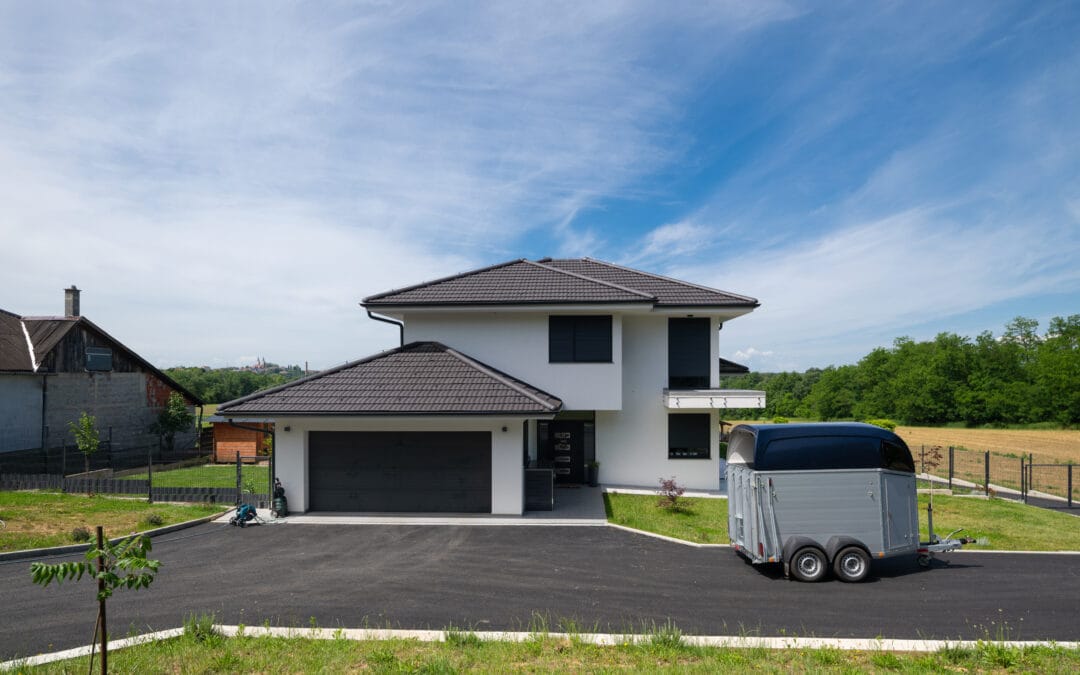
Investing in driveway paving is a major home improvement project that enhances both curb appeal and functionality. Understanding the costs involved helps homeowners plan a realistic budget and make informed choices. Residential paving comes with a variety of options, each affecting the overall price. Breaking down factors such as material, labour, and project scope may help homeowners anticipate expenses.
Factors Affecting Driveway Paving Costs
Several elements influence the total cost of a driveway paving project. Size, material type, and existing conditions all play a role. Larger driveways require more materials and labour, which increases cost. The choice between asphalt, concrete, gravel, or interlocking pavers also affects pricing. Asphalt is generally more affordable upfront, while concrete or decorative pavers may have higher installation costs but longer lifespans. Consulting with a professional experienced in residential paving provides accurate estimates tailored to your property.
Material Costs
Material selection is one of the primary contributors to paving expenses. Asphalt is popular for its durability and cost-effectiveness. Concrete offers a cleaner look and can be customized with patterns and colours, but installation is typically more expensive. Gravel is often the most budget-friendly option but may require more frequent maintenance. Interlocking pavers provide aesthetic appeal but are labour-intensive and usually come with higher upfront costs. Evaluating your long-term goals, maintenance preferences, and neighbourhood standards helps determine which material aligns with your budget.
Labour and Installation Costs
Labour costs depend on project complexity, driveway size, and local labour rates. Preparing the base, grading, and proper compaction are essential steps to ensure a long-lasting driveway. A professional team with experience in residential paving may charge more initially, but ensures quality workmanship that may reduce future repair needs. Additionally, the time required for installation varies by material type. Asphalt projects are usually completed faster than concrete or paver installations.
Additional Considerations
Other factors may influence the overall budget. Removing an existing driveway, levelling uneven surfaces, adding drainage solutions, and including borders or decorative features can increase costs. Homeowners should also consider long-term maintenance expenses, such as sealcoating for asphalt or occasional repairs for pavers. Understanding these potential costs upfront helps create a realistic budget for your driveway project.
Budgeting Tips for Homeowners
To plan effectively, start by measuring the driveway area to estimate material needs. Obtain multiple quotes from experienced residential paving contractors to compare prices and services. Allocate funds for unexpected expenses or upgrades, such as lighting or edging. Planning helps prevent budget surprises and ensures a smoother paving process.
Plan Your Driveway Project Today!
Driveway paving is a valuable home improvement that improves aesthetics and property functionality. Costs vary depending on size, material, labour, and additional features. Evaluating these factors and consulting experienced residential paving professionals helps homeowners plan a budget that meets both financial and practical goals.
Woodbine Paving Limited provides guidance and professional service for homeowners planning a paving project. Their team focuses on quality, reliable installation, and clear communication to support your budget and goals. If you want to explore options, get accurate estimates, or schedule a consultation for residential paving, reach out to Woodbine Paving Limited for expert assistance.